
The 5 a Day of PLAY
A guide to the diversity of play opportunities and experiences that children NEED every day
In my roles as a play therapist and parent coach, I am often asked about what kind of play is best for supporting child development and how to get the right balance between screen time and other kinds of play. Over many years of navigating these conversations, I began to feel that we were approaching them from the wrong angle and wanted to find a new way to help parents and educators understand and meet their children's needs. And so was born: The 5 a Day of PLAY! (To understand more about the inspiration behind this campaign, you can read my blog post :The other 5-a-Day that every parent should know.)
In the same way that children benefit from a variety of foods in their diet to meet their nutritional needs, children benefit from a variety of play experiences to meet their social, emotional, and physical development needs. Optimal development and neural integration in your child’s brain (which will form the foundation of their lifelong mental and emotional wellbeing) requires them to move, explore, experiment, get messy, take risks, invent, solve problems, pretend, imitate, co-operate, empathise, and most of all - interact with others.
You can support this development by offering children The 5 a Day of Play.
_edited.png)
Teamwork & Service
Working with or for others helps to build self-esteem and fosters feelings of being capable, independent and having something to offer the world. Being part of a team or working with other for a shared goal, whether it be your family a sports team, choir or neighbourhood, helps grow our social connections and feelings of belonging.
Includes - team sports, group activities, music ensemble, tidying, cleaning, gardening, helping family members (including siblings), helping others (e.g. neighbours), picking up litter, fixing and sharing.
Creative & Imaginative Play
The kind of play and activities that allow children to express themselves, create, exercise their imaginations and problem-solving skills.
Includes - Making music, dancing, art & craft, building/constructing, role-play, reading, junk modelling, potion-making, storytelling and projection play (e.g. playing with dolls, figurines or vehicles).
Outdoor and Nature Play
Kids love to be outdoors; exploring, adventuring and using ALL of their 5 senses. Time spent outdoors is linked with a number of health benefits of children and adults. Experts recommend at least 3 hrs per day!
Includes - Exploring and adventuring in the great outdoors (which could mean your backyard, a local park, your neighbourhood, the countryside, woodlands, bush or beach etc.), interacting with wildlife or animals, mess-making, mud kitchen, den-building, stick/shell collecting, bug hunting, engaging with natural sensory materials (e.g. sand, water, mud, leaves and sticks), risky play, outdoor sports and activities like bike-riding, scooting or roller-skating.
Parent-Child Play
Time spent being with your child is essential for building a strong parent-child relationship . A strong attachment between children and parents leads to range of long term social, emotional and mental benefits for the child, including providing protection from some of the worst affects of trauma and adversity. Even
Active and Physical Play
Daily physical activity is absolutely essential for children’s mental and physical health. Children under 5 can’t stay still for long and should be active much more than they are sitting still. Children over 5 should have at least 1hr per day of physical activity.
Includes - Indoor and outdoor physical activities, running, cycling, scooting, martial arts, sports, climbing, dancing, playing on playground equipment, risky play, trampoline and swimming.
10mins per day of child-led play can help to strengthen feelings of connection and understanding between parents and children and help to build your child's resilience.
Includes -
Cuddling, talking, singing, relaxing, engaging in cooperative tasks together (such as cooking or building), reading, storytelling and most of all play!
The best kind of parent-child play is child-led, but if you need a bit of inspiration you could try - hide & seek, chasing & catching games, playdough, art & craft, building things together, board games, card games, pillow fights, role-playing (such as doctors, hairdressers, parents & babies and schools), copying & mirroring games and letting your child ‘teach’ you something.


Creative &
Imaginative Play
The kind of play and activities
that allow children to express themselves, create, exercise their imaginations and problem-solving skills.
Includes - Making music, dancing, art & craft, building/constructing, role-play, reading, junk modelling, potion-making, storytelling and projection play (e.g. playing with dolls, figurines or vehicles).


Outdoor & Nature Play
Kids love to
be outdoors; exploring,
adventuring and using ALL of their 5
senses. Time spent outdoors is linked with
a number of health benefits for children and
adults. Experts recommend at least 3 hrs per day!
Includes - Exploring and adventuring in the great outdoors (which could mean your backyard, a local park, your neighbourhood, the countryside, woodlands, bush or beach etc.), interacting with wildlife or animals, mess-making, mud kitchen, den-building, stick/shell collecting, bug hunting, engaging with natural sensory materials
(e.g. sand, water, mud, leaves and sticks),
risky play, outdoor sports and activities
like bike-riding, scooting or
roller-skating.


Physical & Active Play
Daily physical activity is absolutely essential for children’s mental and physical health. Children under 5 can’t stay still for long and should be active much more than they are sitting still. Children over 5 should have at least 1hr per day of physical activity.
Includes - Indoor and outdoor physical activities, running, cycling, scooting, martial arts, sports, climbing, dancing, playing on playground equipment, risky play, trampoline and swimming.


Parent-Child Play
Time spent being with
your child is essential forbuilding a
strong parent-child relationship . A strong
attachment between children and parents leads
to range of long term social, emotional and mental
benefits for the child, including providing protection from some of the worst affects of trauma and adversity. Even 10mins per day of child-led play can help to strengthen feelings of connection and understanding between parents and children and help to build your child's resilience.
Includes - Cuddling, talking, singing, relaxing, engaging in cooperative tasks together (such as cooking or building), reading, storytelling and most of all play!
The best kind of parent-child play is child-led, but if you need a
bit of inspiration you could try - hide & seek, chasing & catching games, playdough, art & craft, building things together,
board games, card games, pillow fights, role-playing
(such as doctors, hairdressers, parents & babies
and schools), copying & mirroring games and
letting your child ‘teach’ you
something.

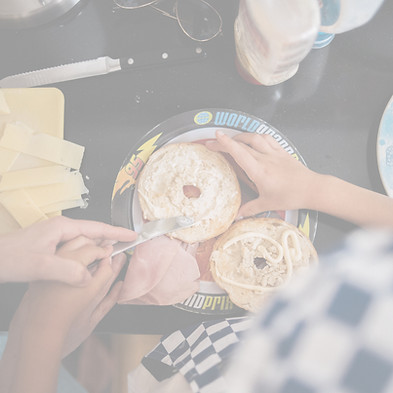
Teamwork & Service
Working with or for others helps to build
self-esteem and fosters feelings of being
capable, independent and having something to offer the world. Being part of a team or working with other for a shared goal, whether it be your family a sports team, choir or neighbourhood, helps grow our social connections and feelings of belonging.
Includes - team sports, group activities, music ensemble, tidying, cleaning, gardening, helping family members (including siblings), helping
others (e.g. neighbours), picking up litter,
fixing and sharing.